

 CN
CN

 Back
Back 

Domestic HART Communicators vs. Imported Legacy Brands: How Should Power Plant Instrument Teams Choose?
Industry Background: The Old Guard Is Being Phased Out
Power plant instrument teams have traditionally relied on Rosemount 375/475 handheld communicators, with the 475 as the upgraded version supporting both HART and Foundation Fieldbus protocols. After Emerson launched the next-generation AMS Trex device communicator in 2016, the Rosemount 475 was officially discontinued in October 2018, and the market has gradually shifted toward AMS Trex and other brands, including domestic alternatives. This means the old assumption of "you can't go wrong with Rosemount" no longer applies when plants need to replace or add communicators — it's time to reassess what's currently available.
Five Key Selection Criteria
1. Device Description (DD) Library CoverageThis is the core factor determining whether a communicator is actually usable in practice. The wider the DD library coverage, the broader the range of field instruments that can be fully configured and diagnosed. Plants with a mix of instrument brands and models should specifically verify whether a candidate communicator's DD library covers their primary equipment. Established imported products (like AMS Trex) claim coverage of over 2,500 field devices, which can serve as a benchmark.
2. Protocol SupportSome communicators support only HART, while others support both HART and Foundation Fieldbus (FF). Sites with both protocol types should choose a model with broader protocol coverage; sites that are primarily HART should focus on products optimized for HART, which tend to offer better functionality and usability.
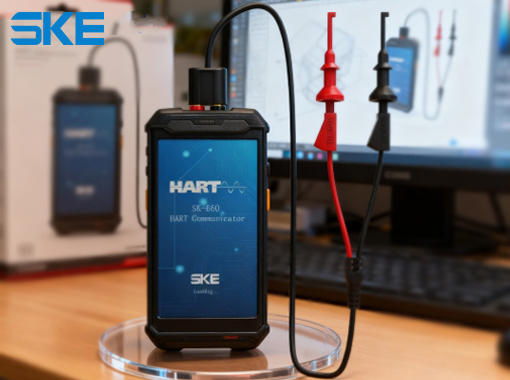
3. Intrinsic Safety / Explosion-Proof CertificationPower plants have hazardous, flammable areas, so communicators need appropriate explosion-proof certification (such as intrinsically safe Ex ia). The certification level must match the actual hazardous area classification on site — this is a non-negotiable requirement.
4. Usability and Training CostClear interface logic and sensible menu structure directly affect how quickly frontline technicians can get up to speed and how efficiently they can operate the device — which matters a lot during high-intensity periods like turnaround/overhaul windows.
5. After-Sales Support and Procurement CostImported brands generally have longer response times and higher spare parts costs for after-sales support. Domestic alternatives have an edge in response speed and cost control, but it's important to verify DD library update frequency and technical support capability to ensure they can keep pace with field instrument upgrades.
Product Comparison
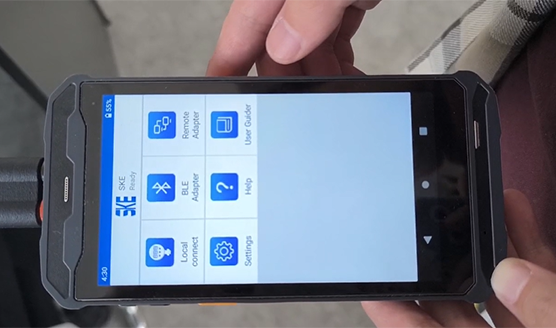
| Criteria | SKE HART Communicator | Emerson AMS Trex | Domestic Alternatives |
|---|---|---|---|
| Protocol Support | HART (general & common commands), FF bus | HART + Foundation Fieldbus | Mostly HART-focused |
| DD Library Coverage | Covers mainstream HART smart transmitters | Covers 2,500+ field devices | Varies by manufacturer, needs verification |
| Core Functions | Configuration, calibration, diagnostics, loop testing, record archiving | Configuration, diagnostics, troubleshooting, data management | Functions largely aligned, details vary |
| Procurement & Support Cost | Competitive pricing and response speed | Higher cost, longer parts/service cycles | Competitive price, support capability needs evaluation |
| Best Fit | Routine HART device maintenance in power and other industrial settings | Multi-protocol, large multinational project sites | Budget-constrained sites, primarily HART equipment |
Common Pitfalls to Avoid
Focusing only on brand name, ignoring DD library compatibility with actual field equipmentEven a well-known brand's communicator is useless for configuration and diagnostics if its DD library doesn't cover the instrument models actually in use. Always verify DD support for your primary equipment brands before selecting.
Explosion-proof certification not matching the actual hazardous area classificationThe certification level must strictly match the site's actual area classification — don't rely on past habits or experience. Verify this with the safety management department during selection.
Comparing only on purchase priceThe total cost of ownership includes hidden costs like DD library updates, after-sales response time, and spare parts lead time. A cheaper purchase price with poor follow-up support often ends up costing more in the long run.
Selection Recommendations
First inventory the brands/models of HART and other protocol devices on site, and verify DD library coverage for candidate communicators
Confirm the site's hazardous area classification requirements and verify that candidate products' intrinsic safety certification matches
Factor in daily operational intensity (e.g., frequent participation in bulk calibration during overhauls) to assess whether usability and record-management features meet your needs
Weigh total procurement cost against long-term after-sales support capability, rather than comparing purchase price alone
Where possible, field-test before bulk purchasing to verify compatibility with actual instruments on site
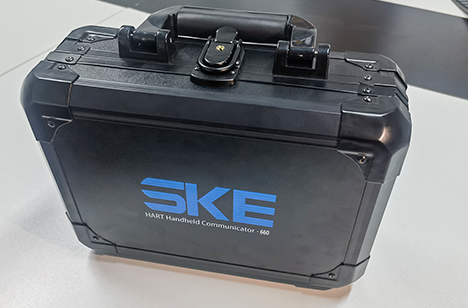
SKE's HART field communicator covers configuration, calibration, diagnostics, and record management for mainstream HART smart transmitters — contact our technical team for a compatibility assessment based on your specific equipment list.

